


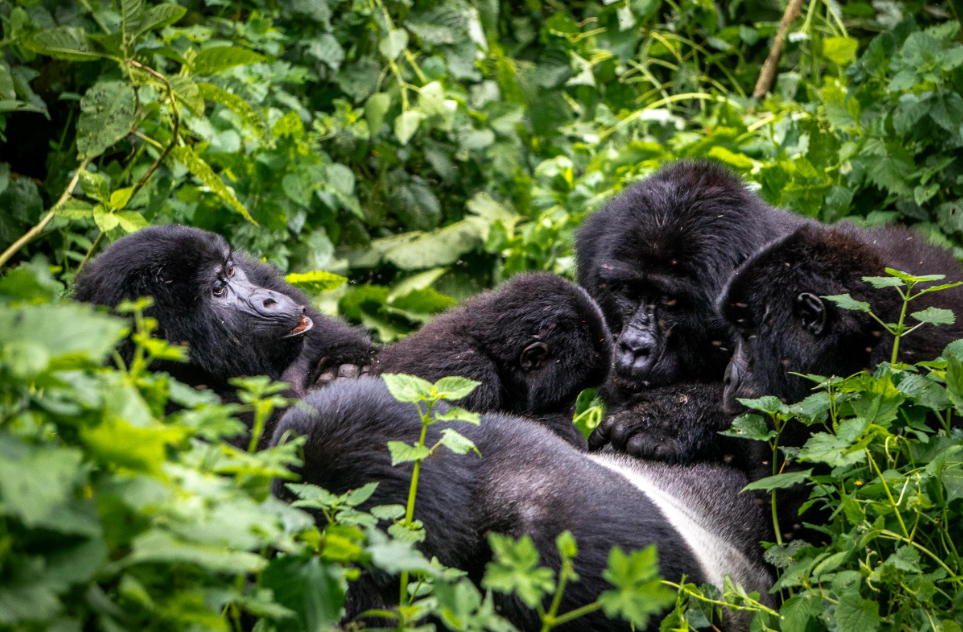
How to Plan a Gorilla Trekking Holiday in Uganda
Planning a gorilla trekking holiday in Uganda is an exciting way to explore Africa’s forests and see mountain gorillas in their natural habitat. Uganda is one of the best destinations for this unique wildlife experience, offering beautiful landscapes, rich wildlife, welcoming communities, and guided forest adventures. With the right preparation, you can enjoy a memorable safari while supporting gorilla conservation.
Whether you are planning a short wildlife trip or a longer African holiday, this guide explains where to go, what to expect, how much to budget, and how to prepare for your gorilla trekking adventure.
Choose the Best Gorilla Trekking Destination
Uganda has two main destinations for mountain gorilla trekking: Bwindi Impenetrable National Park and Mgahinga Gorilla National Park.
Bwindi Impenetrable National Park
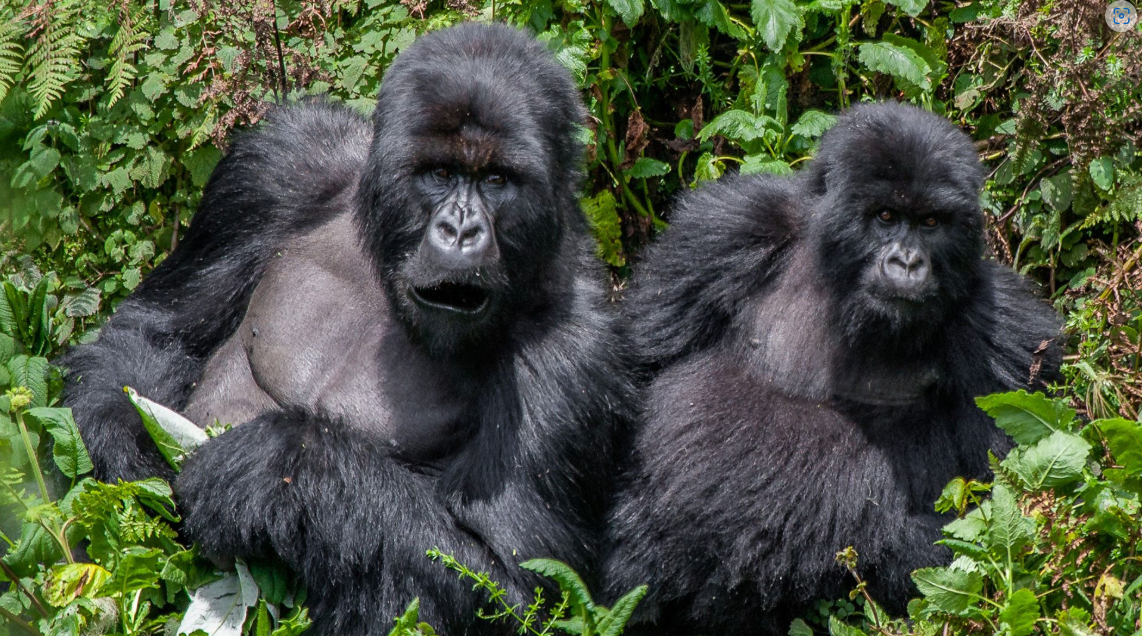
Bwindi is the most popular destination for gorilla trekking in Uganda. Located in southwestern Uganda, this UNESCO listed forest is known for its rich biodiversity, steep hills, thick vegetation, and mountain gorillas.
The park has several trekking sectors, including Buhoma, Ruhija, Rushaga, and Nkuringo. Your accommodation and travel plans should match the sector where your gorilla permit is booked.
Mgahinga Gorilla National Park
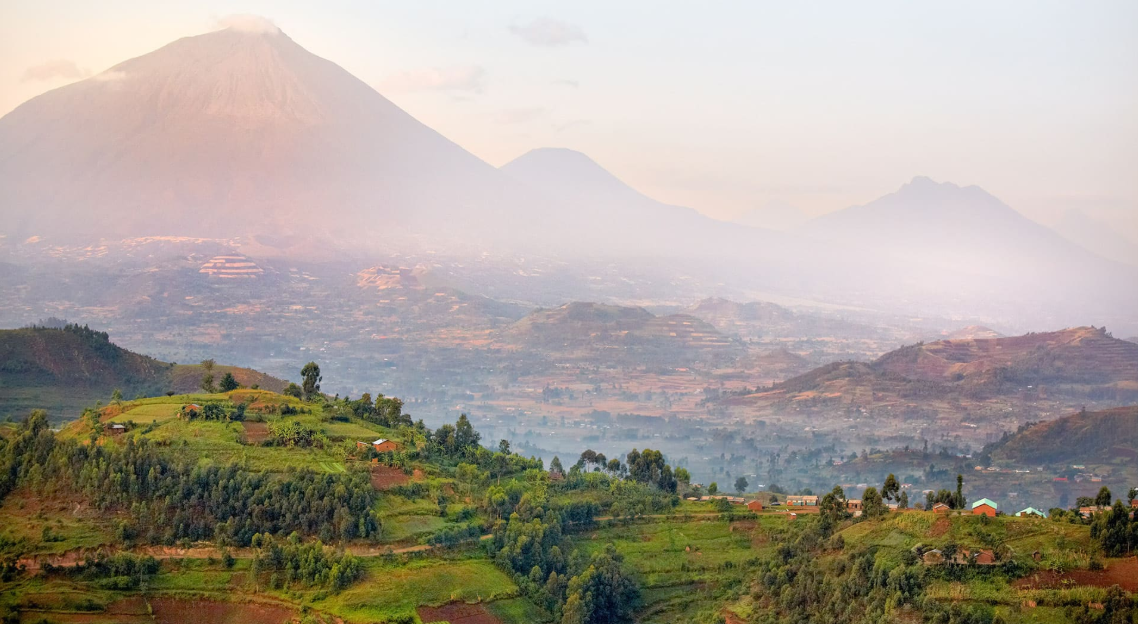
Mgahinga lies in southwestern Uganda near the borders of Rwanda and the Democratic Republic of the Congo. It offers a scenic trekking experience among volcanic mountains, bamboo forests, and beautiful highland landscapes.
Both destinations provide opportunities to see mountain gorillas with trained guides and trackers. However, gorilla sightings take place in a natural environment, so they cannot be guaranteed.
Book Your Gorilla Trekking Permit Early
A gorilla trekking permit is essential for anyone who wants to join a guided trek to see mountain gorillas in Uganda. Permits are limited to help protect the gorillas and manage visitor numbers.
For foreign non resident visitors, the commonly published permit price is US$800 per person. However, fees and eligibility rules can change, so confirm the current rate with the Uganda Wildlife Authority or kalesh safari and tours uganda before making payment.
It is best to arrange your permit several months in advance, especially if you plan to travel during busy periods. Your permit date and trekking sector will also help determine where you should stay.
Decide When to Visit Uganda
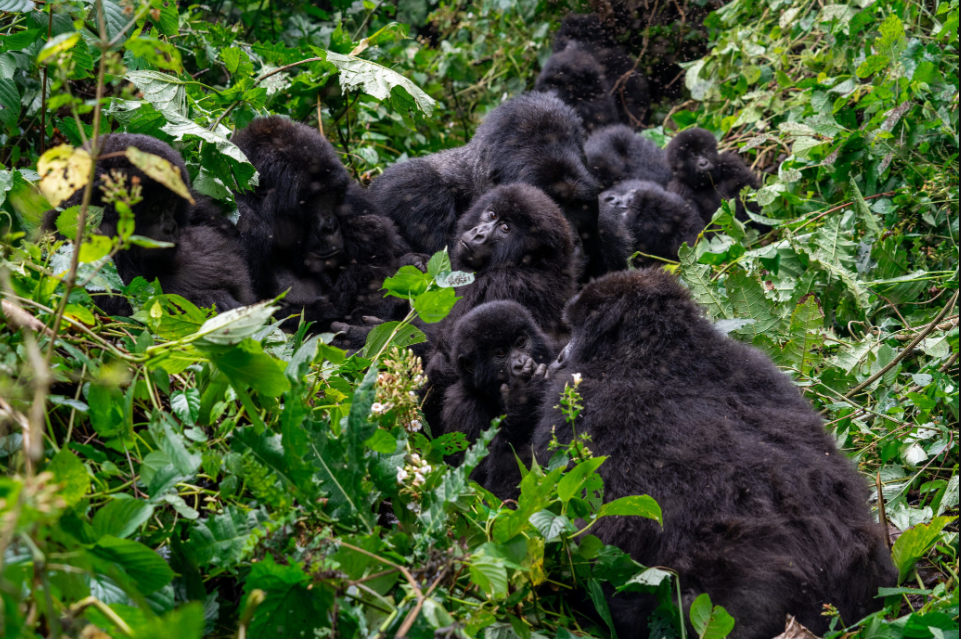
Uganda offers gorilla trekking throughout the year. However, weather conditions can affect the difficulty of walking through the forest.
The drier periods, often from June to August and December to February, are popular with visitors. Trails may be less muddy, although rainfall can occur at any time.
The wetter months can bring lush scenery and excellent photography opportunities. On the other hand, slippery trails may make trekking more challenging.
Therefore, choose your travel dates based on your schedule, comfort, and preferred safari activities. Book early if you plan to travel during peak holiday periods.
Plan Your Gorilla Trekking Itinerary
A well planned itinerary allows enough time for travel, rest, and the trek itself. Since Bwindi and Mgahinga are in southwestern Uganda, driving from Entebbe or Kampala can take much of a day or longer, depending on your route and destination sector.
4 day gorilla trekking itinerary
Day 1: Travel to Bwindi Impenetrable National Park
Begin your journey from Entebbe or Kampala and travel through Uganda’s countryside. Depending on your route, you may pass scenic hills, rural communities, and local markets. Arrive at your lodge, enjoy dinner, and prepare for the following day’s trek.
Day 2: Gorilla Trekking Experience
After an early breakfast, travel to the designated park briefing point. Rangers will explain trekking rules and assign visitors to a gorilla group. Follow your guides through the forest and, when the gorillas are located, enjoy the permitted viewing time under ranger supervision.
Day 3: Cultural Visit or Nature Activity
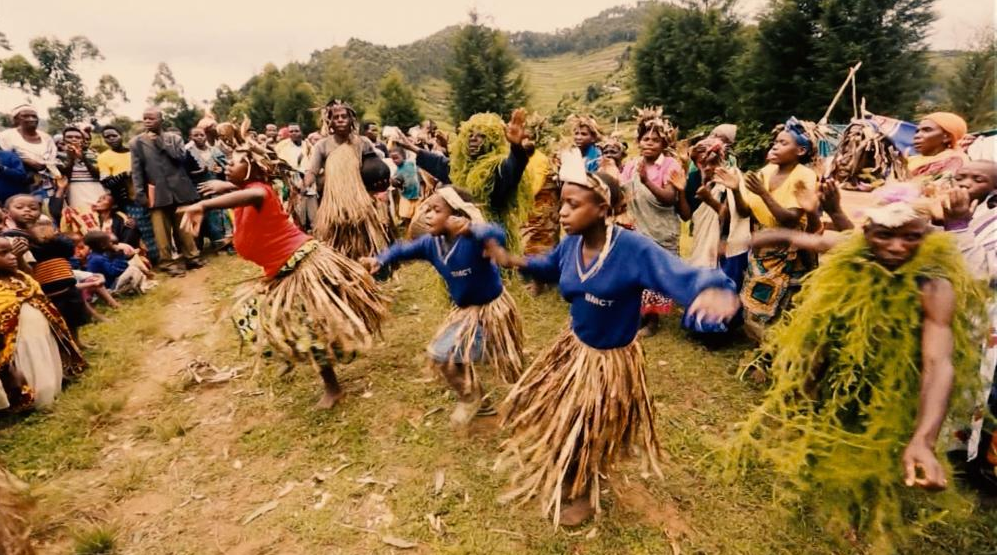
Spend the day exploring the surrounding area. Depending on local availability, you may visit a community tourism project, enjoy a guided nature walk, or learn about local traditions. These experiences add depth to your holiday and support community livelihoods.
Day 4: Return to Entebbe or Kampala
After breakfast, begin your return journey. You can also extend your holiday with a wildlife safari in Queen Elizabeth National Park or another destination, depending on your schedule.
What to Pack for Gorilla Trekking
Preparing the right equipment can make your trek more comfortable. Because the forest can be wet, steep, and muddy, practical clothing and footwear are important.
Consider packing:
- Waterproof hiking boots with good grip.
- Long trousers and a long sleeved shirt.
- A lightweight waterproof jacket.
- Gardening gloves to help protect your hands when moving through vegetation, where permitted.
- A small backpack for drinking water, snacks, and personal items.
- Insect repellent and sun protection.
- A camera or phone, with spare batteries or a power bank.
- Binoculars if you enjoy watching birds and other wildlife.
A walking stick or porter can help on steep sections. Porters also provide paid work for local community members. Follow your guide’s advice and carry only what you need.
What Is Included in a Gorilla Trekking Package?
Package inclusions vary by tour operator. Before booking, request a written itinerary and confirm the following details.
A typical package may include:
- Gorilla trekking permit, if clearly stated in the quotation.
- Accommodation for the specified number of nights.
- Meals listed in the itinerary.
- Private ground transport and an English speaking driver-guide.
- Fuel and agreed route transfers.
- Park activities specifically listed in the package.
- Bottled or filtered drinking water during scheduled drives, where offered.
- Airport transfers, if included in the agreement.
Always confirm whether the permit has already been secured. A quotation that excludes the permit may look cheaper but result in a higher final cost.
What Is Excluded from a Gorilla Trekking Package?
Common exclusions may include:
- International flights.
- Uganda visa fees.
- Travel insurance and medical expenses.
- Personal shopping and laundry.
- Tips for guides, drivers, and porters.
- Extra drinks and meals not listed in the itinerary.
- Optional activities and additional park permits.
- Accommodation before or after the booked tour.
- Porter services, unless specifically included.
- Any expenses caused by changes to the travel schedule.
Follow Gorilla Trekking Rules
Gorilla trekking is carefully managed to protect both visitors and wildlife. Follow the ranger’s instructions at all times, keep a respectful distance from the gorillas, and avoid loud noises or sudden movements.
Visitors who feel unwell should inform the park staff before the trek because human illnesses can pose a risk to gorillas. Do not feed, touch, or attempt to attract the animals. Photography should follow the current park rules, including instructions about flash use.
These measures help reduce disturbance and support long-term conservation.
Book Your Uganda Gorilla Trekking Holiday
A successful gorilla trekking holiday in Uganda begins with choosing the right destination, securing a permit, selecting suitable accommodation, and arranging reliable transport. With careful planning, you can enjoy the forest experience without rushing between activities.
If you are planning an African safari, request a customised itinerary based on your travel dates, budget, group size, and preferred comfort level. A local tour operator can help coordinate permits, accommodation, transfers, and optional activities.
Start planning your gorilla trekking holiday in Uganda Today with Kalesh safari and tours Uganda and discover one of Africa’s most remarkable wildlife experiences.


Leave A Comment